Burnout Recovery: Practical Steps That Actually Work
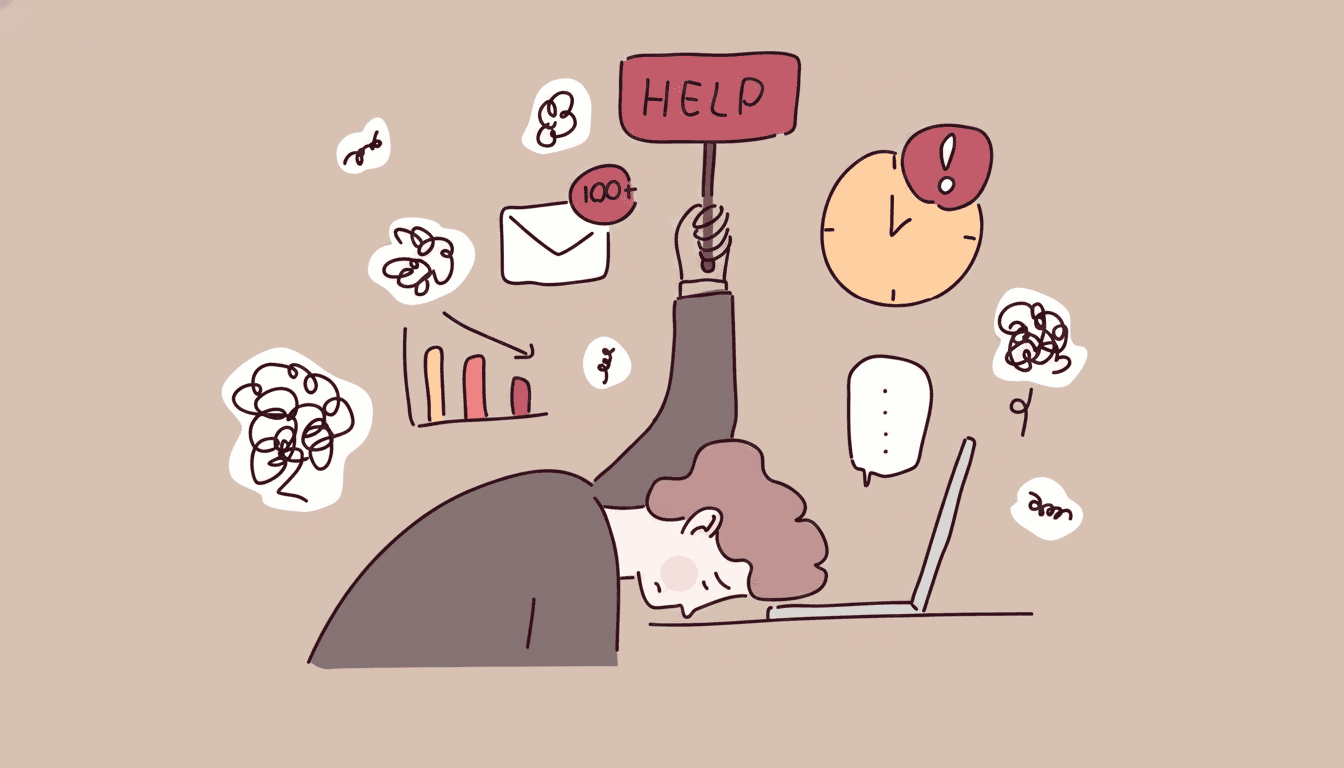
Burnout has become a widespread issue affecting millions of people across professions and lifestyles. Defined by the World Health Organization as a syndrome resulting from chronic workplace stress that has not been successfully managed, it involves three core dimensions: feelings of energy depletion or exhaustion, increased mental distance from one’s job or negativism or cynicism, and reduced professional efficacy.
Recent global data shows that nearly 48 percent of employees report feeling burned out at work, with even higher rates in demanding fields like healthcare, where emotional exhaustion affects around one-third of nurses worldwide. These numbers highlight how burnout transcends borders and industries, driven by long hours, high demands, and blurred boundaries between work and personal life.
Recovering from burnout requires more than a quick vacation or motivational quote. It demands intentional, evidence-based actions that address physical, emotional, and mental exhaustion. This guide outlines practical steps grounded in research to help individuals regain energy, rebuild motivation, and create sustainable habits for long-term well-being.
Understanding Burnout: Signs, Symptoms, and Causes
Recognizing burnout early makes recovery easier. Common physical signs include chronic fatigue, frequent headaches, muscle tension, weakened immunity leading to more illnesses, and sleep disturbances. Emotionally, people often feel drained, irritable, or detached, with a growing sense of cynicism toward work or responsibilities. Mentally, concentration suffers, productivity drops, and a reduced sense of accomplishment emerges even in tasks once found rewarding.
Burnout develops gradually through prolonged exposure to stressors. Key causes include excessive workload, lack of control over tasks, insufficient rewards or recognition, poor workplace relationships, unfair treatment, and conflicting values. Lifestyle factors such as poor sleep, limited social support, and perfectionist tendencies amplify the risk.
In high-pressure environments, such as remote work setups or caregiving roles, the constant connectivity enabled by technology often prevents true disconnection, accelerating burnout. Global surveys indicate that burnout rates rose notably in recent years, underscoring the need for proactive management rather than waiting for a crisis.
Step 1: Acknowledge the Problem and Assess Your Situation
The first and often hardest step in burnout recovery involves admitting the issue without self-judgment. Many people push through exhaustion out of fear of appearing weak or letting others down. However, acknowledgment creates space for change.
Start by tracking your symptoms for one to two weeks. Note energy levels, mood patterns, sleep quality, and specific triggers. Tools like journaling or simple daily check-ins help identify patterns. Questions to ask yourself include: When do I feel most drained? What tasks spark cynicism? Am I neglecting basic needs like meals or movement?
Research shows that self-awareness forms the foundation of effective recovery. Once you name the problem, you shift from reactive survival mode to proactive rebuilding.
If symptoms feel overwhelming or include persistent sadness, anxiety, or thoughts of harm, consult a healthcare professional promptly. Burnout can overlap with conditions like depression, and ruling out medical issues ensures the right approach.
Step 2: Create Distance from Stressors
Psychological detachment proves essential for recovery. This means mentally and physically separating from work demands during non-work hours. Studies on recovery processes highlight four key elements: psychological detachment, relaxation, mastery experiences, and a sense of control.
Practical ways to implement detachment include setting clear work boundaries, such as turning off notifications after a certain time or designating a specific workspace that you leave at the end of the day. Even small actions like a short evening walk without checking emails can help.
For those unable to take extended time off, micro-breaks throughout the day offer benefits. The Pomodoro technique, involving focused work periods followed by short rests, reduces accumulated fatigue. Longer breaks, such as a weekend without work-related thoughts, allow deeper restoration.
If possible, discuss workload adjustments with supervisors or explore flexible arrangements. Evidence indicates that increasing job control, such as influencing task pacing or priorities, significantly lowers exhaustion over time.
Step 3: Prioritize Physical Recovery Foundations
Burnout depletes physical resources, so rebuilding them forms a core part of recovery. Sleep tops the list. Aim for seven to nine hours per night with consistent bed and wake times. A relaxing bedtime routine, free from screens, improves sleep quality and supports emotional regulation.
Nutrition and hydration matter equally. Chronic stress often leads to skipped meals or reliance on caffeine and processed foods. Focus on balanced meals with proteins, healthy fats, vegetables, and whole grains. Staying hydrated combats fatigue and brain fog.
Regular physical activity, even moderate, yields strong results. A daily 20-minute walk reduces stress hormones and boosts mood-lifting endorphins. Research suggests that accumulating around 5,000 steps per day helps protect against depressive symptoms linked to burnout. Strength training or yoga sessions twice weekly further enhance resilience by improving both body and mind.
Step 4: Incorporate Evidence-Based Stress Management Techniques
Mindfulness and relaxation practices calm the nervous system effectively. Daily mindfulness meditation, even for 5 to 10 minutes, lowers perceived stress and improves focus. Techniques like progressive muscle relaxation or deep breathing exercises provide immediate relief during high-tension moments.
Cognitive behavioral strategies help reframe unhelpful thoughts. For instance, challenge the belief that you must handle everything alone by identifying small ways to delegate or say no. Journaling about stressors and gratitude shifts perspective over time.
Hobbies and mastery activities replenish energy. Engaging in activities unrelated to work, such as learning a musical instrument, gardening, or reading fiction, builds a sense of competence and joy outside pressured domains.
Social connection combats isolation that often accompanies burnout. Schedule regular time with supportive friends or family, even if brief. Sharing experiences without venting excessively provides perspective and emotional relief.
Step 5: Re-evaluate Goals, Values, and Work-Life Alignment
Burnout often signals a misalignment between daily efforts and personal values. Take time to reflect on what truly matters. Questions like “What activities energize me?” or “Where do I feel most fulfilled?” guide this process.
Setting realistic goals prevents future overload. Break large tasks into smaller, achievable steps and prioritize based on impact rather than urgency alone. Learning to say no to non-essential commitments protects energy reserves.
For career-related burnout, exploring role adjustments or skill development in areas of interest can restore motivation. Many people discover renewed purpose after realigning responsibilities with strengths.
Step 6: Build Long-Term Prevention Habits
Sustainable recovery extends beyond initial relief into prevention. Establish daily recovery rituals, such as morning movement, evening wind-downs, and weekly reviews of workload and boundaries.
Cultivate resilience through proactive stress management. Planning tasks in advance, maintaining social networks, and practicing self-compassion during setbacks reduce vulnerability. Organizations that support autonomy and recognition also lower collective burnout risk, but individual actions remain powerful regardless of workplace culture.
Monitor progress regularly. Reassess symptoms every few weeks and adjust strategies as needed. Celebrate small wins to reinforce positive changes.
When to Seek Professional Support
While self-help steps work for many, severe or persistent burnout benefits from professional guidance. Cognitive behavioral therapy has strong evidence for addressing chronic stress and burnout. Therapists provide personalized tools, while support groups offer community validation.
In some cases, short-term medication or medical evaluation addresses related issues like sleep disorders or anxiety. Do not hesitate to reach out; seeking help demonstrates strength and commitment to well-being.
Real-World Examples of Recovery
Consider a mid-level manager who recognized exhaustion after months of extended hours and constant availability. By implementing strict evening boundaries, resuming evening runs, and delegating tasks, this individual reduced cynicism within weeks and regained productivity. Another example involves a teacher who used mindfulness apps and weekly social meetups to combat emotional depletion, eventually returning to the classroom with renewed enthusiasm.
These stories illustrate that recovery follows consistent, layered actions rather than one dramatic change.
Conclusion: A Path Toward Renewed Energy
Burnout recovery combines acknowledgment, rest, practical habits, and reflection. By addressing physical needs, creating mental space, managing stress actively, and aligning life with core values, individuals can move from depletion to vitality. The process takes time and patience, yet the rewards include improved health, sharper focus, and greater life satisfaction.
Start with one or two steps today, such as better sleep or a short walk. Small, consistent actions compound into significant transformation. Prioritizing well-being is not selfish but essential for sustaining contributions at work and in personal spheres. With the right approaches, recovery becomes achievable, leading to a more balanced and fulfilling daily experience.