Emotional Intelligence: How to Master Your Emotions and Improve Every Relationship
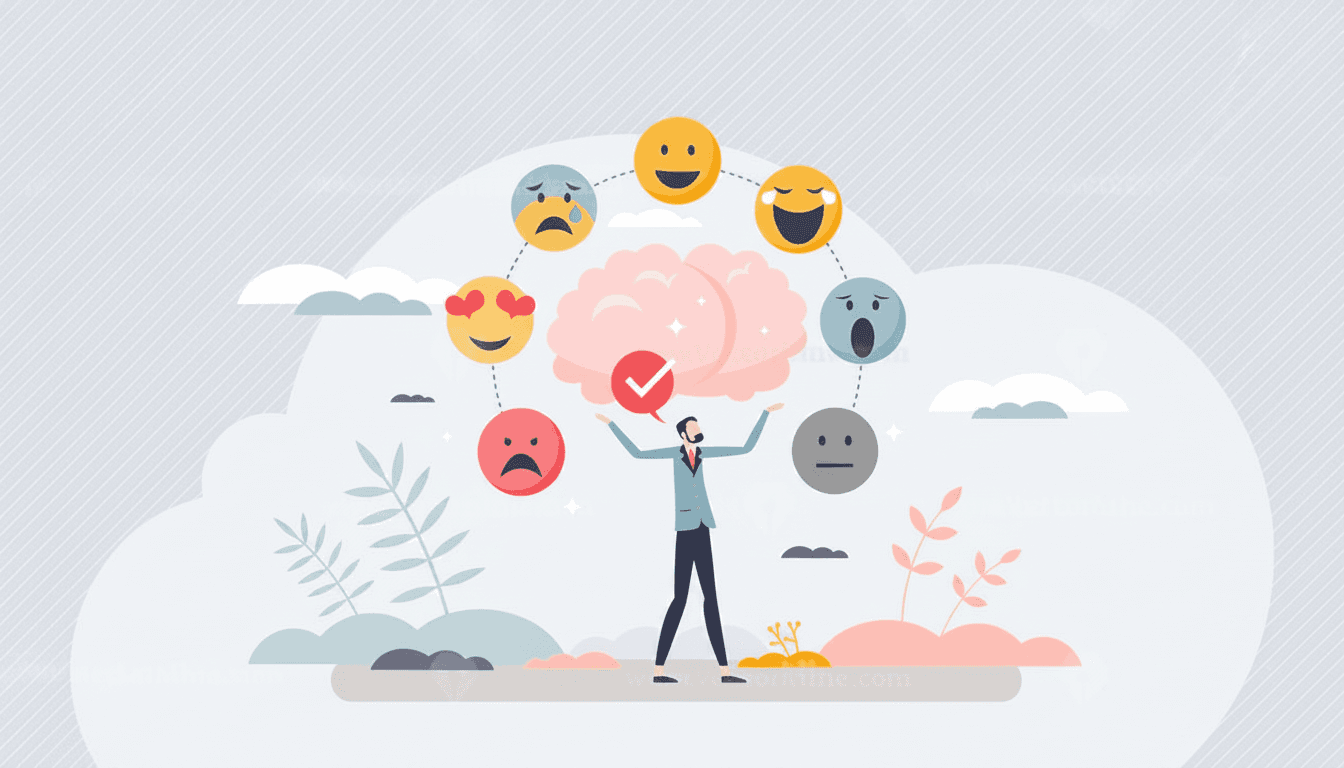
Emotional intelligence, often called EQ or EI, has become one of the most discussed topics in personal development, psychology, and professional growth. Unlike traditional intelligence measured by IQ, emotional intelligence focuses on how well people recognize, understand, manage, and influence their own emotions and the emotions of others. In a world filled with constant social interaction, workplace pressure, and personal challenges, mastering emotional intelligence can dramatically transform relationships, career success, and overall life satisfaction.
People search for ways to build emotional intelligence because they want better romantic partnerships, stronger friendships, smoother family dynamics, and more effective leadership at work. Research consistently shows that individuals with high emotional intelligence tend to enjoy more fulfilling connections and navigate conflicts with greater ease. This comprehensive guide explores what emotional intelligence truly means, why it matters, and practical strategies to develop it step by step.
Understanding Emotional Intelligence
The concept of emotional intelligence gained widespread attention through the work of psychologists Peter Salovey and John Mayer, later popularized by Daniel Goleman. Emotional intelligence consists of five core components:
- Self-Awareness - The ability to recognize your own emotions as they occur and understand how they affect your thoughts and behavior.
- Self-Regulation - Managing disruptive emotions and impulses effectively while adapting to changing circumstances.
- Motivation - Using emotions to pursue goals with energy, persistence, and a positive outlook.
- Empathy - Sensing and understanding the emotions and perspectives of other people.
- Social Skills - Building and maintaining healthy relationships through effective communication, conflict resolution, and collaboration.
These elements work together to create a foundation for emotional mastery. Unlike personality traits that remain relatively stable, emotional intelligence can be developed throughout life with conscious effort and practice.
The Science Behind Emotional Intelligence
Numerous studies support the importance of emotional intelligence. People with higher EQ scores often report better mental health, lower stress levels, and stronger social support networks. In professional settings, emotional intelligence frequently predicts leadership effectiveness and team performance more accurately than technical skills alone.
Brain science reveals why emotions play such a powerful role. The amygdala, part of the limbic system, processes emotional responses quickly, sometimes before rational thinking engages. Emotional intelligence helps bridge the gap between this instinctive reaction and thoughtful response. Neuroplasticity research shows that regular practice of emotional regulation techniques can literally rewire neural pathways, making calm and empathetic responses more automatic over time.
Why Emotional Intelligence Matters in Every Relationship
Romantic relationships thrive when partners practice high emotional intelligence. Partners who can name their feelings accurately, listen without immediately becoming defensive, and respond with empathy create deeper intimacy and trust. Conflicts transform from destructive arguments into opportunities for understanding when both people regulate emotions effectively.
In friendships, emotional intelligence helps maintain long-term bonds through life changes, disagreements, and distance. Friends with strong EQ notice subtle shifts in mood, offer support without being asked, and communicate boundaries respectfully. This creates relationships that feel safe and nourishing rather than draining.
Family dynamics often improve dramatically with better emotional intelligence. Parents who model self-awareness and empathy raise children who develop these skills naturally. Adult children can heal old wounds by approaching parents with greater understanding of generational emotional patterns. Siblings resolve long-standing rivalries when they learn to validate each other's feelings instead of competing for attention.
Emotional Intelligence in the Workplace
Professional environments reward emotional intelligence in multiple ways. Leaders with high EQ inspire loyalty, manage diverse teams effectively, and navigate organizational change with resilience. They read the room during meetings, address unspoken tensions, and give feedback that motivates rather than demoralizes.
Team members with strong emotional intelligence contribute to positive workplace culture. They collaborate smoothly, resolve conflicts constructively, and provide emotional support during high-pressure projects. Customer-facing roles particularly benefit from empathy and social skills, leading to higher customer satisfaction and loyalty.
Career advancement often depends as much on emotional intelligence as on technical expertise. Professionals who manage their emotions during presentations, negotiations, and feedback sessions project confidence and competence. They build networks naturally because people enjoy working with them.
Common Barriers to Emotional Intelligence
Many people struggle with emotional intelligence due to upbringing, past trauma, cultural conditioning, or simply lack of education about emotions. Some common obstacles include:
- Emotional Suppression: Growing up in environments where certain feelings were labeled as unacceptable leads to disconnection from emotions.
- Poor Emotional Vocabulary: Limited words to describe nuanced feelings make self-awareness difficult.
- Reactive Patterns: Automatic defensive responses developed from past experiences that no longer serve current relationships.
- Low Empathy Due to Stress: Chronic stress narrows perspective and reduces capacity to consider others' viewpoints.
- Digital Communication Challenges: Text-based interactions remove important nonverbal cues, making emotional intelligence harder to practice online.
Recognizing these barriers represents the first step toward overcoming them.
Practical Strategies to Build Self-Awareness
Self-awareness forms the foundation of emotional intelligence. Start by developing a daily emotion check-in practice. Set reminders to pause and ask: "What am I feeling right now? Where do I feel it in my body? What triggered this emotion?"
Journaling provides another powerful tool. Write about emotional experiences without judgment, focusing on patterns and triggers. Over time, you will notice recurring themes that reveal deeper beliefs and values.
Mindfulness meditation strengthens the ability to observe emotions as they arise rather than becoming overwhelmed by them. Even five to ten minutes daily can produce noticeable improvements in emotional clarity. Body scan exercises help reconnect with physical sensations that signal emotional states.
Personality assessments and 360-degree feedback from trusted colleagues or friends offer external perspectives on emotional blind spots. Approach this feedback with curiosity rather than defensiveness.
Mastering Self-Regulation Techniques
Self-regulation prevents emotional hijacking and enables thoughtful responses. Deep breathing exercises, such as the 4-7-8 technique (inhale for 4 seconds, hold for 7, exhale for 8), activate the parasympathetic nervous system and reduce physiological arousal quickly.
Cognitive reframing changes emotional intensity by altering thought patterns. When facing a difficult situation, ask: "What would I tell a friend in this position?" or "What is another possible explanation for this behavior?"
Time-out strategies work well during heated moments. Agree with important people in your life on a signal that means "I need space to regulate before continuing this conversation." Use that time for physical movement, listening to calming music, or practicing progressive muscle relaxation.
Long-term self-regulation improves through healthy lifestyle habits. Regular exercise, sufficient sleep, balanced nutrition, and meaningful social connections all support emotional stability.
Developing Empathy and Social Skills
Empathy grows through active listening practices. Focus completely on the speaker without planning your response. Reflect back what you heard: "It sounds like you're feeling frustrated because..." This validates their experience and deepens connection.
Reading fiction and watching character-driven films can expand emotional vocabulary and perspective-taking abilities. Research indicates that regular readers of literary fiction show measurable increases in empathy.
Practice perspective-taking exercises. When conflict arises, deliberately try to describe the situation from the other person's viewpoint before sharing your own. This does not mean abandoning your feelings but creates space for mutual understanding.
Nonverbal communication awareness enhances social skills. Pay attention to tone of voice, facial expressions, posture, and timing in conversations. Record yourself during important discussions to identify areas for improvement.
Emotional Intelligence and Conflict Resolution
High emotional intelligence transforms conflict from a threat into an opportunity for growth. Begin difficult conversations by acknowledging emotions present: "I can see this topic is important to both of us."
Use "I" statements to express feelings without blame: "I feel anxious when plans change suddenly" rather than "You always cancel at the last minute."
Seek to understand before being understood. Ask open-ended questions and listen for underlying needs and values. Often conflicts stem from different strategies for meeting similar core needs like security, respect, or autonomy.
Focus on collaborative problem-solving once emotions have been acknowledged and validated. Brainstorm solutions together rather than defending positions.
Long-Term Benefits of High Emotional Intelligence
People who invest in developing emotional intelligence often experience profound improvements across life domains. They report deeper satisfaction in relationships, greater resilience during challenges, and increased overall happiness.
Children of parents with high emotional intelligence develop better emotional regulation themselves, creating positive generational cycles. Work teams led by emotionally intelligent managers show higher engagement and lower turnover.
Physical health benefits emerge as well. Better stress management reduces chronic inflammation and supports immune function. Quality sleep improves when emotional rumination decreases.
Daily Practices for Lifelong Emotional Growth
Make emotional intelligence development a consistent practice rather than a one-time project. Create an emotional intelligence routine that includes:
- Morning intention setting focused on specific emotional skills
- Midday awareness check-ins
- Evening reflection on interactions and emotional responses
- Weekly review of progress and challenges
- Regular conversations with accountability partners about emotional growth
Track improvements in specific areas such as handling criticism, expressing needs clearly, or maintaining calm during disagreements. Celebrate small wins to maintain motivation.
Overcoming Setbacks in Emotional Development
Everyone experiences moments when emotions overwhelm their best intentions. View these situations as valuable learning opportunities rather than failures. Analyze what triggered the strong reaction, which regulation strategies were attempted, and what might work better next time.
Self-compassion plays a crucial role in sustained emotional growth. Treat yourself with the same kindness you would offer a friend struggling with similar challenges. Harsh self-criticism actually hinders emotional regulation by increasing shame and defensive patterns.
Seek professional support when needed. Therapists, coaches, and counselors trained in emotional intelligence can provide personalized guidance and help address deeper obstacles.
Measuring Progress in Emotional Intelligence
Notice qualitative changes in daily life as indicators of growth. Improved relationships, easier conflict resolution, greater self-confidence in social situations, and reduced regret after emotional reactions all signal progress.
Some people use formal emotional intelligence assessments periodically to track development objectively. However, real-world application in relationships provides the most meaningful measure of success.
The journey toward mastering emotional intelligence continues throughout life. Each new relationship, challenge, and life stage offers fresh opportunities to apply and refine these skills.
Emotional intelligence represents one of the most valuable investments anyone can make. By understanding and managing emotions effectively, people create stronger connections, navigate life's complexities with greater ease, and experience more authentic and satisfying relationships. The skills developed through emotional intelligence work benefit not only the individual but everyone around them, creating ripple effects of understanding and positive interaction that extend far beyond personal life.
Start small today. Choose one area of emotional intelligence to focus on this week. Notice your emotions more carefully, practice one regulation technique, or listen more deeply in your next conversation. Consistent small actions compound into remarkable transformations over time, leading to richer relationships and a more emotionally balanced life. The path to emotional mastery is available to anyone willing to commit to the process of self-discovery and growth.